
Written by Kevin Winn, CSCS, NSCA-CPT
Co-Founder of MuuvWell
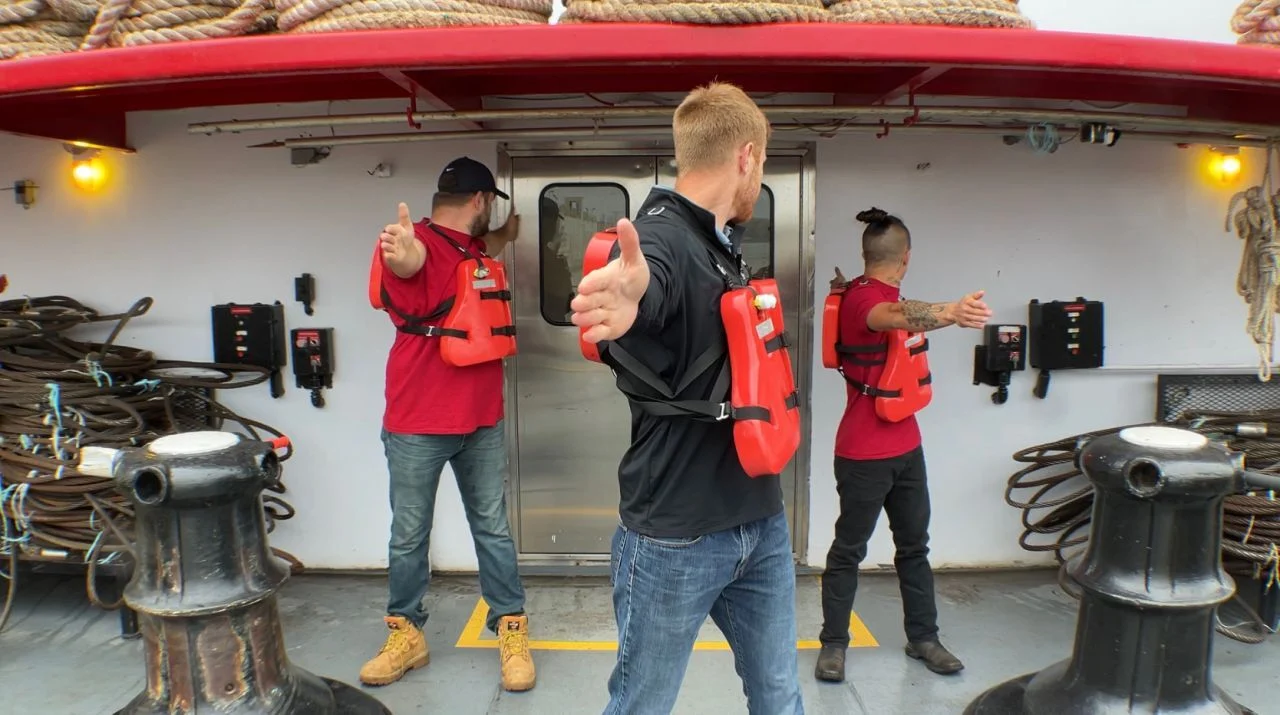
Before a manufacturing shift begins, teams inspect equipment, review production goals, and discuss safety. Preparing people for the physical demands ahead deserves attention, too.
A five-minute movement routine gives employers a practical place to start. Its value depends on how it is introduced, how closely it reflects the work, and how it connects to a larger injury prevention program.
Watch the podcastIn this episode, we discuss movement preparation, employee buy-in, and how to build a routine that supports a broader approach to workforce performance.
Start with the whyAsking employees to follow a routine without explaining its purpose can make it feel like another requirement before they can get to work.
Start with education. Explain what each movement is preparing them to do and how it relates to the demands they face. Connect the conversation to things people care about: moving comfortably, doing their jobs well, and having energy for life after work.
Give employees room to ask questions and offer feedback. Their experience should help shape the program.
Make the movements relevant to the jobA material handler, an assembly worker, and a maintenance technician have different physical demands. Their preparation should reflect those differences.
Build the routine around functional body movement and the five core movement elements covered in the episode. Select movements based on the tasks employees actually perform, including lifting, reaching, handling tools, and moving materials.
An injury prevention specialist can observe the work, identify relevant movement demands, and help select appropriate options. A routine should be manageable in work clothing, fit the available space, and accommodate different abilities.
The goal is preparation for the job ahead.
Use an active warm-up and reinforce movement patternsAn active warm-up uses controlled movement to gradually prepare employees for activity. Static stretching may have a place, but holding a few stretches should not be the entire program.
Use the time to practice movement patterns that carry over to work. An unloaded rehearsal of a lifting task, for example, gives a specialist an opportunity to coach positioning and control before the employee handles materials.
Keep the emphasis on comfortable movement and good technique. This should not become a demanding workout before a physically demanding shift. Employees should have appropriate alternatives and should not be encouraged to push through pain.
Build participation through trustWe recommend making the routine voluntary.
Explain its purpose, make participation accessible, and encourage supervisors to take part. Invite feedback about which movements feel useful and which need adjustment. Avoid singling out employees who choose not to participate.
Buy-in grows when employees see that the program is relevant and that their concerns receive a response. A warm-up can also create an opportunity to mention discomfort, fatigue, or a task that has become difficult.
Those conversations need follow-through.
Offer multiple routines and review them periodicallyOne sequence may not suit every department or remain appropriate as work changes.
Develop several routines for different job demands, with options for different abilities. Review them periodically with employee input and observations from the floor. Changes in equipment, tasks, or staffing may call for changes in preparation.
Keep familiar movement principles consistent while updating exercises when there is a clear reason. Employees need enough repetition to learn the movements and enough relevance to understand their purpose.
Connect the routine to appropriate injury responseAn onsite injury prevention specialist can help employees report concerns early, assess needs within their professional scope, provide appropriate first aid, and arrange further care when needed.
For OSHA recordkeeping, preventive movement and injury treatment must be distinguished. OSHA’s May 2024 guidance states that exercise or stretching recommended to treat a work-related injury or illness is medical treatment beyond first aid. Selecting exercises from an existing wellness routine does not automatically make that treatment non-recordable.
OSHA has separately explained that advice to continue an unchanged, existing general stretching program may not constitute medical treatment. That is a narrower situation than prescribing selected movements to address an injury. Other criteria, including restricted work or days away, can still make a case recordable.
The priority is appropriate care, accurate documentation, and timely referral. Each case should be evaluated on its facts.
Sources: OSHA guidance on exercise and stretching and OSHA interpretation on continuing an existing stretching program.
Build beyond the first five minutesA warm-up is one part of a larger prevention program. It cannot replace safer workstation design, lifting assistance, appropriate staffing, or changes that reduce repetitive and forceful work.
The broader program should connect movement education with ergonomic improvements, early reporting, onsite support, and follow-up. Track whether employees find the routines relevant and whether reported concerns lead to meaningful changes.
At MuuvWell, we call this Workforce Performance: bridging the gap between safety and wellness to help people meet the demands of work and life.
Five minutes can begin that conversation. What happens throughout the rest of the shift matters just as much.
Want help building a program for your team? Explore MuuvWell’s onsite injury prevention and virtual performance programs by connecting with us at https://muuvwell.com/contact.